Sticker price is usually the first thing people look at when comparing lithium to lead acid golf cart batteries, and on that number alone, lithium looks like the more expensive option. But total cost of ownership tells a very different story once you factor in everything that happens after the initial purchase.
Upfront Price Isn't the Whole Picture
It's true that a lithium battery typically costs more upfront than a comparable lead acid bank. That's the number that scares off a lot of first time buyers. But this comparison misses the ongoing costs that lead acid ownership quietly accumulates over the years that follow the initial purchase.
Replacement Frequency Changes Everything
Lead acid batteries generally need replacing every one to three years depending on use patterns and maintenance quality. Lithium, by contrast, is rated for over 4000 charge cycles, which typically translates to eight to ten years of regular use. Over a decade of ownership, that difference alone could mean avoiding three or four separate lead acid replacement purchases.
When you actually spread the higher lithium price across that extended lifespan, the annual cost often ends up lower than continuously replacing lead acid batteries every couple of years, even before factoring in anything else.
Maintenance Costs Add Up Quietly
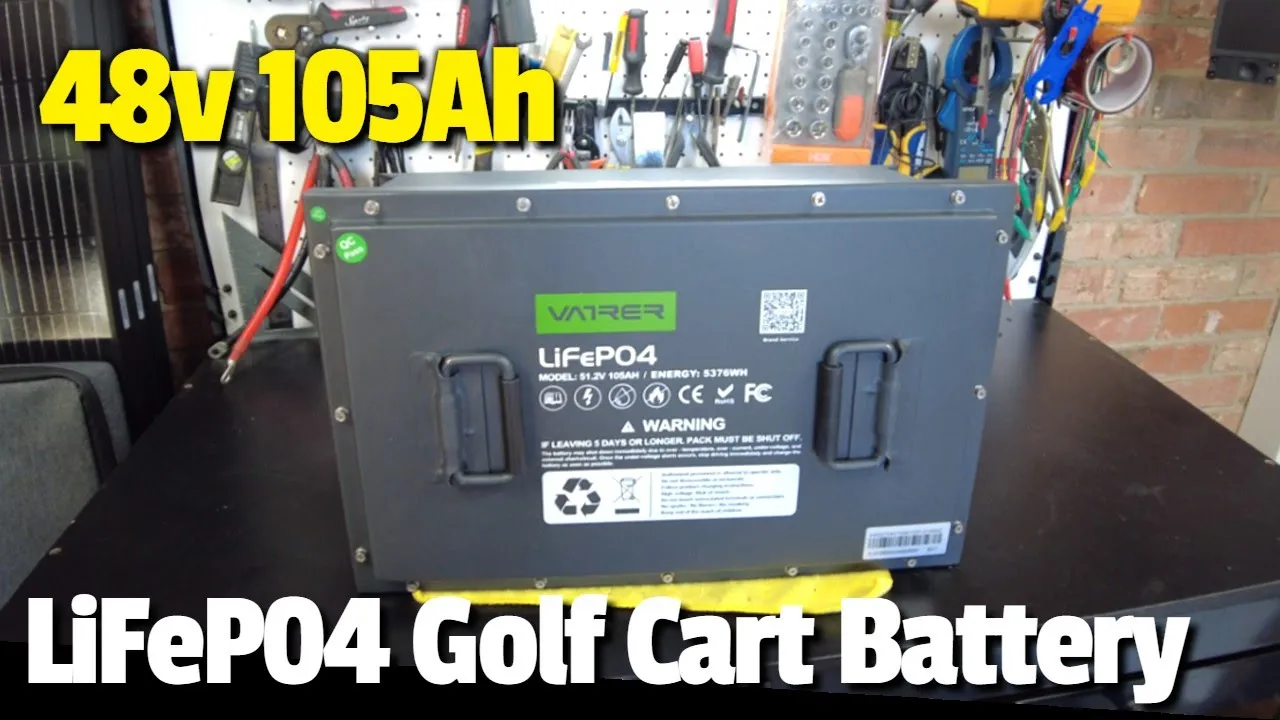
Lead acid ownership isn't just about the battery purchase price. Watering, terminal cleaning, and equalizing charges all take time, and neglecting any of them accelerates battery degradation, potentially shortening lifespan even further and requiring even more frequent replacement. The Vatrer 48V lithium golf cart batteries eliminate this maintenance category entirely, removing an ongoing cost that many owners don't fully account for when comparing prices.
While these maintenance tasks don't always carry a direct dollar cost, the time investment and risk of accelerated lead acid failure from neglected maintenance represent real value that lithium ownership simply sidesteps.
Charging Costs and Efficiency
Charging efficiency also plays into long term cost, though it's a smaller factor than replacement frequency and maintenance. Lithium batteries generally charge more efficiently than lead acid, meaning less energy gets wasted as heat during the charging process. Over years of regular charging, this incremental efficiency difference contributes modestly to lower electricity costs.
Downtime and Convenience Have Value Too
There's also a less tangible cost worth mentioning, downtime. Lead acid batteries that lose capacity gradually often leave owners stuck planning trips around shrinking range long before an outright replacement becomes necessary. Lithium's consistent output throughout the discharge cycle avoids this gradual decline, meaning the battery performs reliably right up until it genuinely needs replacing, rather than becoming progressively less useful for years beforehand.
Resale and Long Term Value Considerations
Carts equipped with modern lithium batteries also tend to hold more appeal on the resale market, since buyers increasingly recognize the benefits of reduced maintenance and consistent performance. While this varies by region and buyer preference, it's a factor worth considering as part of the broader financial picture rather than looking purely at the battery purchase price in isolation.
Conclusion
Judging a lithium battery purely by its upfront price misses most of the actual financial picture. Once you account for replacement frequency, eliminated maintenance, charging efficiency, and consistent long term performance, lithium often works out to be the more cost effective choice over the true lifespan of ownership rather than being the pricier option it initially appears to be.
FAQ
Is lithium actually cheaper than lead acid over time?
When factoring in the 4000 plus cycle lifespan versus lead acid's one to three year replacement cycle, lithium often works out cheaper over a decade of ownership.
Does lithium save money on maintenance?
Yes, there's no watering, terminal cleaning, or equalizing required, removing an ongoing time and cost commitment lead acid demands.
Does battery choice affect cart resale value?
It can, since carts with modern lithium batteries are often viewed favorably by buyers looking for reduced maintenance and consistent performance.